
Tubeless Spoked Wheel Technology.
O-ring sealed spoke-nipple technology combines forged aluminium rims, application-specific spokes, hand-built assembly and model-specific fitment in one complete motorcycle wheel system.
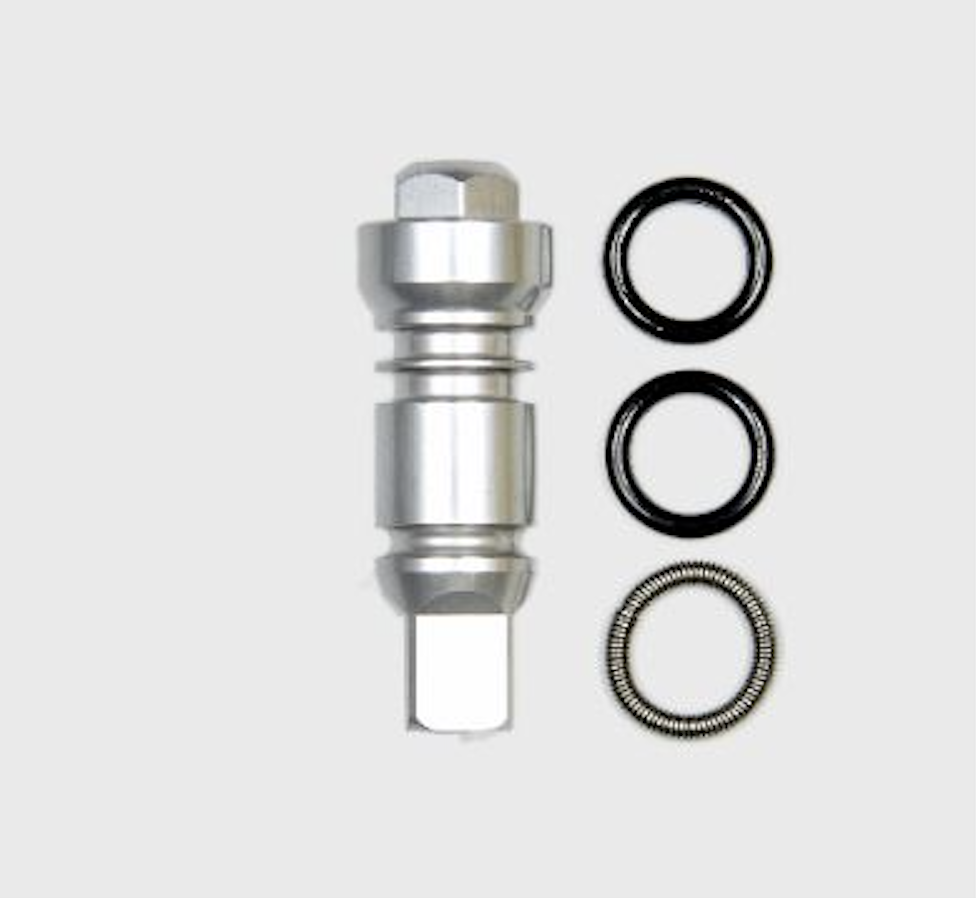
Sealing Directly at the Spoke Nipple.
A tubeless spoked wheel must seal every spoke connection that passes through the rim. Pisces seals directly at the nipple interface, allowing the wheel to operate without a conventional inner tube when used with a suitable tubeless tyre.
Dedicated O-rings sit in sealing grooves around the nipple body, while controlled drilling geometry aligns each spoke between hub and rim. The nipple carries spoke tension and wheel load; the O-rings provide the air seal.
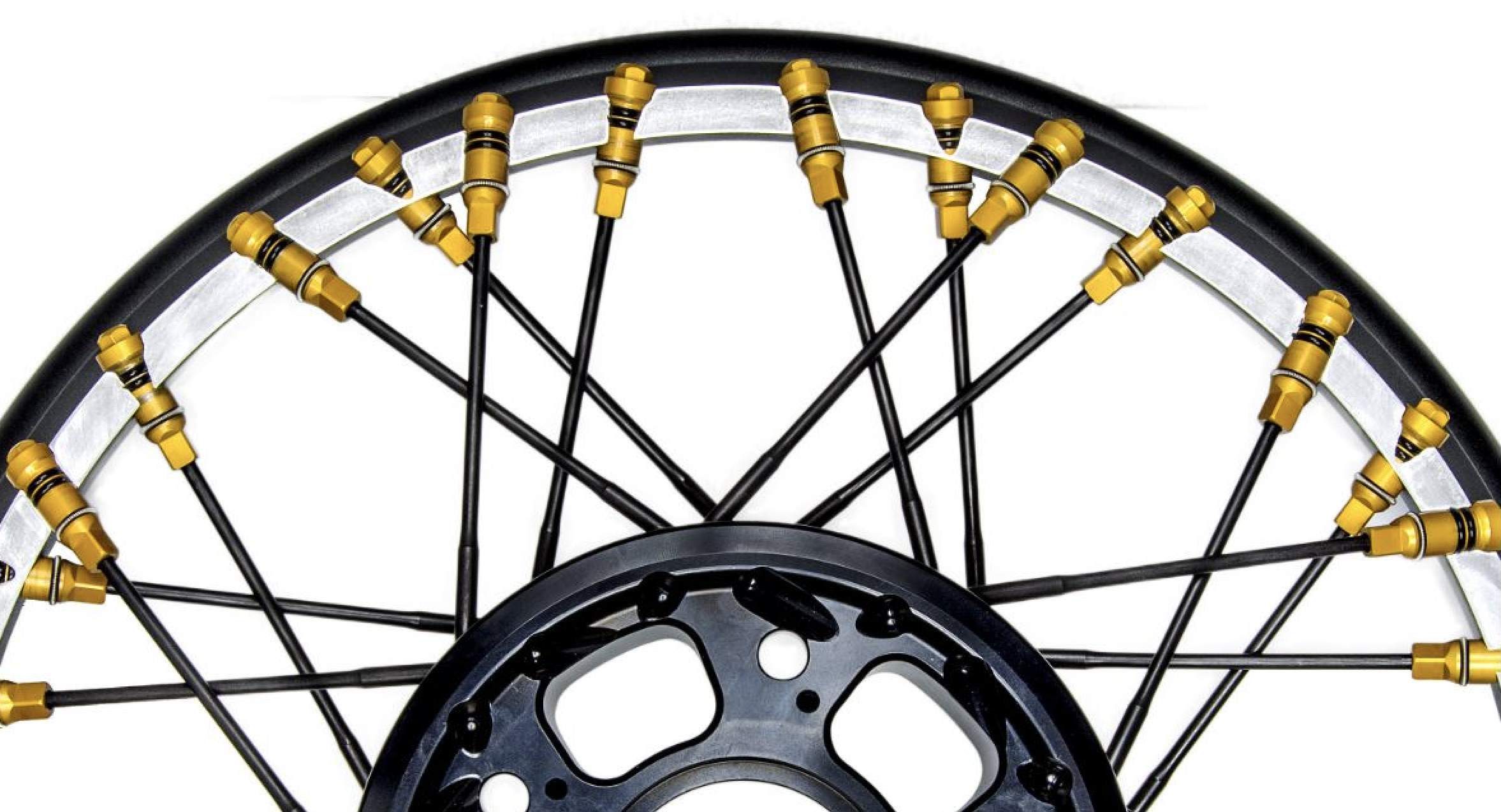
Each nipple follows the required spoke pattern and drilling angle while maintaining its structural connection and sealing interface with the rim.
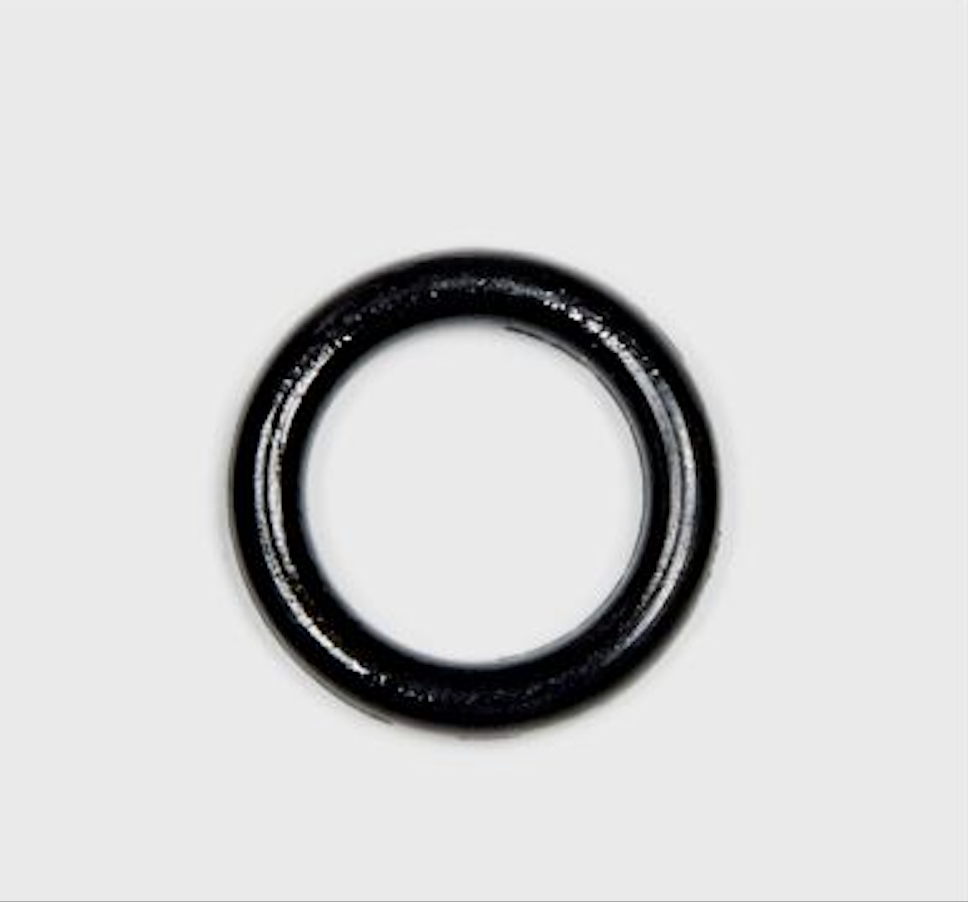
Pressure Sealing
Forms the pressure seal around the nipple, isolating the spoke connection from the pressurised tyre chamber.
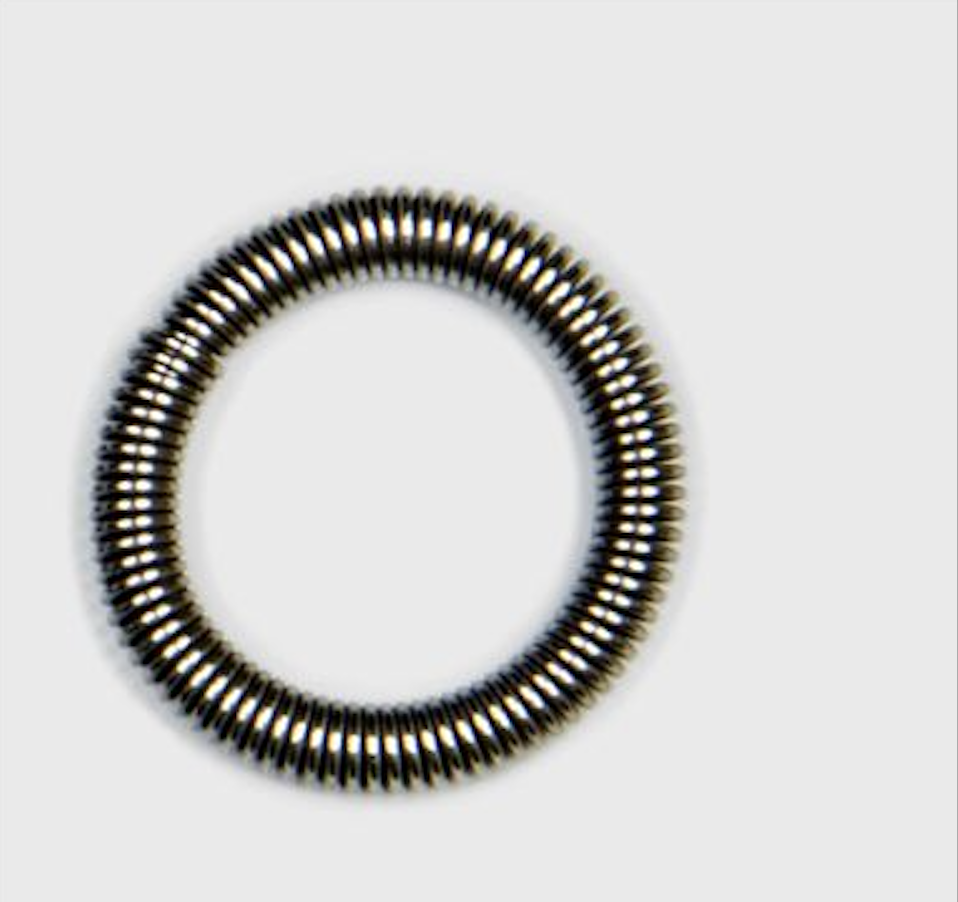
Stainless-Steel Retaining Ring
Helps retain the nipple in severe conditions such as spoke failure or major tyre damage.
Lighter. Stronger. Engineered as One Complete Wheel.
Tubeless architecture reduces rotating mass and simplifies compatible tyre service, while forged aluminium provides the structural foundation for spoke tension, impact resistance and complete-wheel geometry.
Less Rotating Mass
Removing the inner tube can reduce rotating mass by approximately 0.8–2 kg, depending on wheel and tyre size.
More Progressive Pressure Loss
Suitable tread-area punctures may lose pressure more progressively than a damaged inner tube and can often be repaired using an appropriate tubeless tyre repair method. A dedicated tyre-retention hump profile helps keep the tyre correctly seated on the rim as pressure decreases.
One Less Internal Component
No inner tube means no tube-related pinch damage and one less internal component to remove or replace during compatible tyre service.
Higher Resistance to Structural Failure
Forged construction increases structural resistance by approximately 14%, with test loads exceeding 2,700 kg before material damage or failure.
Improved Resistance to Permanent Deformation
Improved shock absorption helps the rim resist permanent deformation under demanding road and off-road loads.
Continuous Forged Construction
One-piece forged construction eliminates the welded rim seam and the structural discontinuity associated with it.
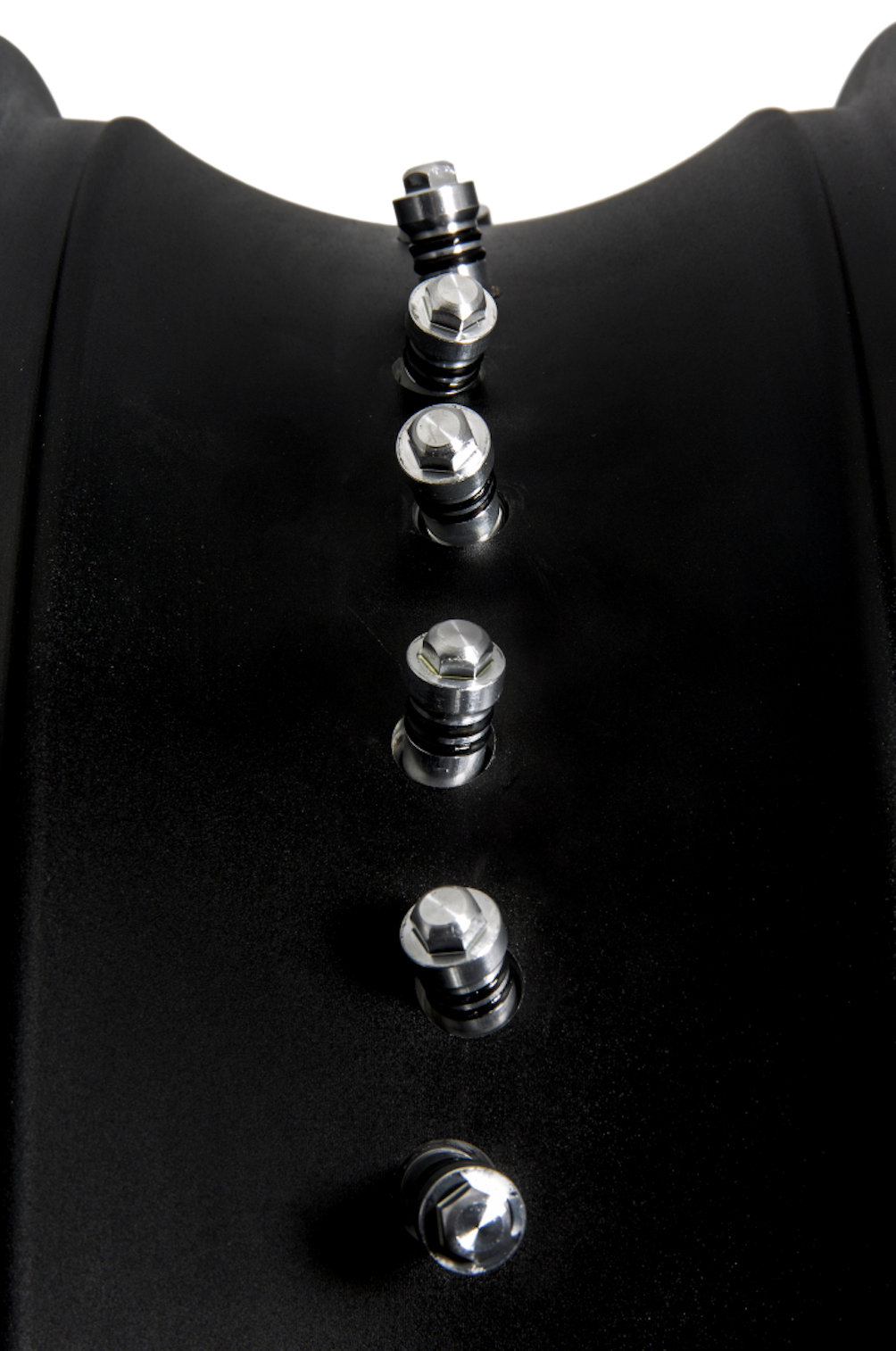
Dual Sealing. Precision. Reinforcement.
The reinforced nipple interface accommodates two dedicated O-ring sealing points around each spoke connection.
Tight tolerances and controlled roundness support consistent sealing, accurate nipple positioning, stable wheel geometry and long-term dimensional stability.
Rim thickness increases from approximately 6 mm to 12 mm in the centre section, adding material where tensile stress is concentrated.
Different Motorcycles Require Different Spokes.
Spokes are structural components. Motorcycle type, intended use, mechanical load and environmental exposure determine the material, geometry and surface treatment required for each application.
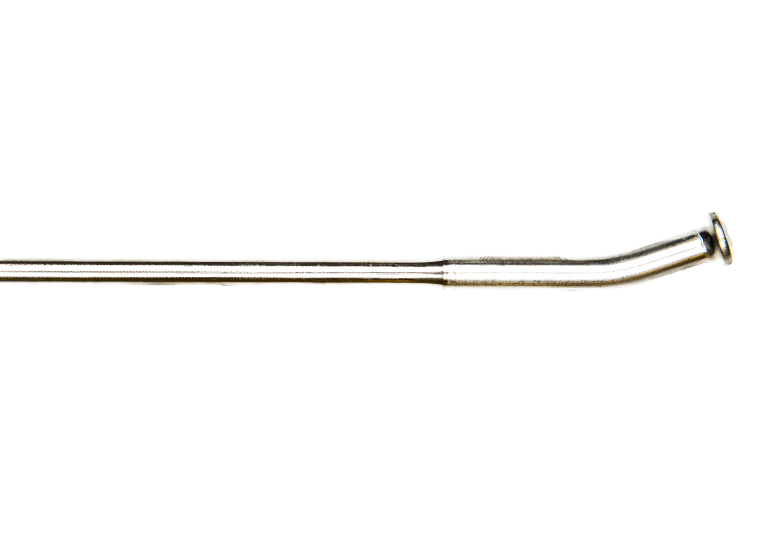
Strength with Corrosion Resistance
For street and touring applications, stainless-steel spokes combine mechanical strength, corrosion resistance and long-term durability.
Stainless steel can retain a natural silver appearance or receive a dark protective conversion finish depending on specification.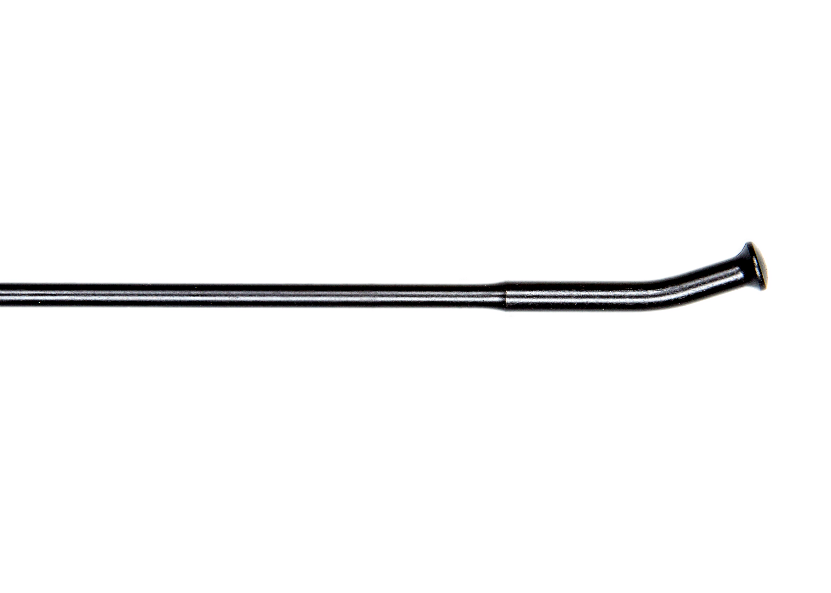
Higher-Stress Performance Applications
For higher-stress Supermoto applications, carbon-steel spokes provide high strength and stress resistance while helping reduce spoke mass.
Depending on specification, silver versions can use a multi-layer zinc treatment while black versions use a dark protective electrodeposition-type finish.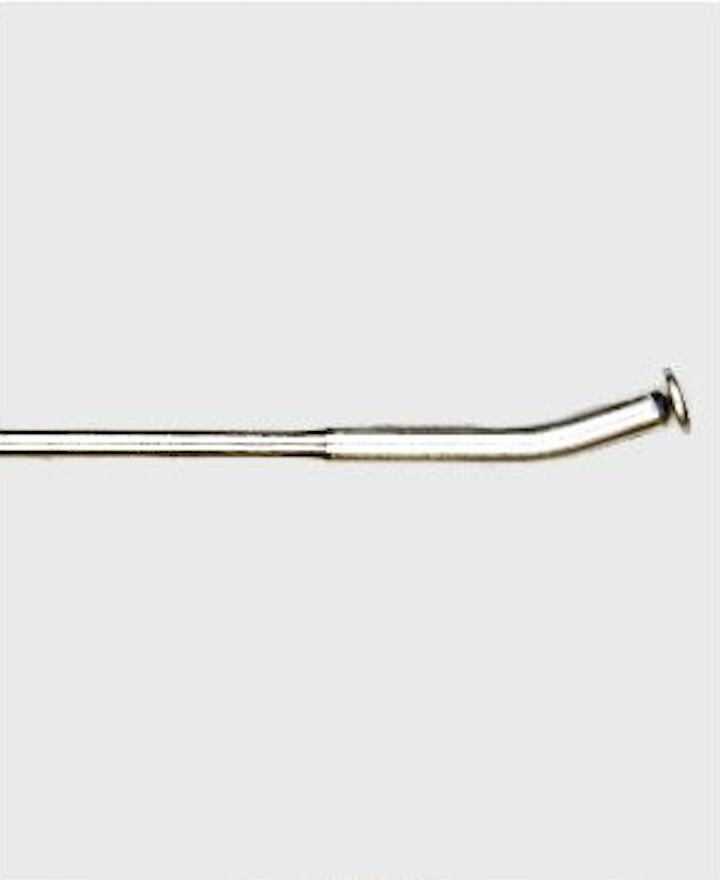
Correct Position. Correct Angle. Correct Load Path.
Each spoke should follow its intended path naturally between hub and rim. Correct geometry reduces unnecessary side loading at the nipple and supports consistent tension across the wheel.
A Spoked Wheel Is Tuned.
A spoked wheel is progressively tensioned, centred and trued by hand. Because each spoke adjustment affects neighbouring tension and rim position, repeated measurement is essential.
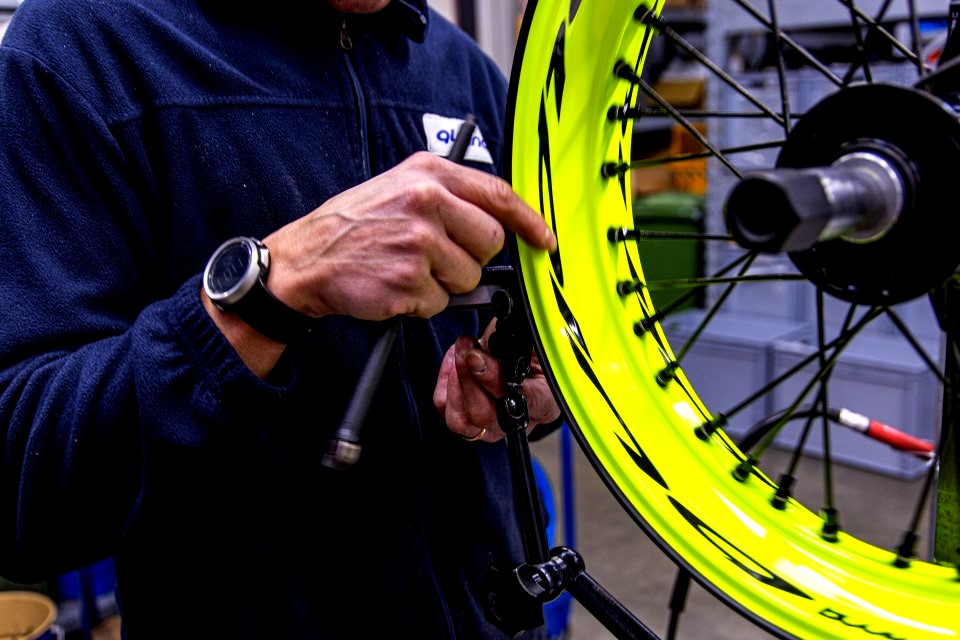
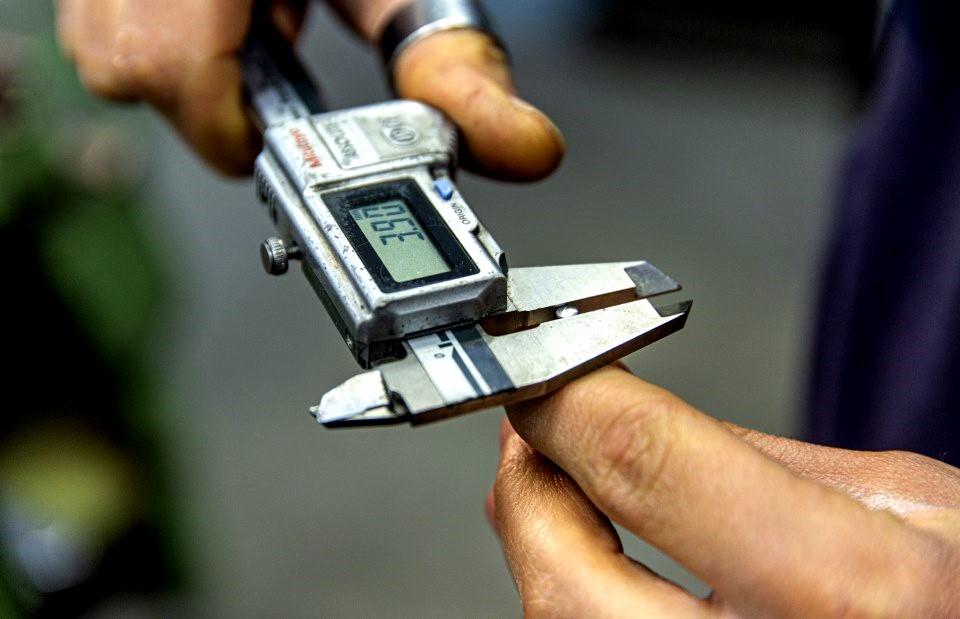
Tension is progressively distributed through the spoke network.
Rim position is established relative to the hub and wheel geometry.
Runout is corrected through repeated measurement and adjustment.
Critical dimensions and tolerances are physically checked during assembly.
From Components to a Finished, Model-Ready Wheel.
Surface treatment, assembly, hand centering, air-retention testing, rolling-fatigue validation, final inspection and model-specific fitment connect the wheel's manufacturing process with complete-system verification and motorcycle-specific integration.
Required coatings and surface finishes are applied according to component material and final specification.
Rim, hub, spokes, nipples and sealing components are brought together as a complete wheel.
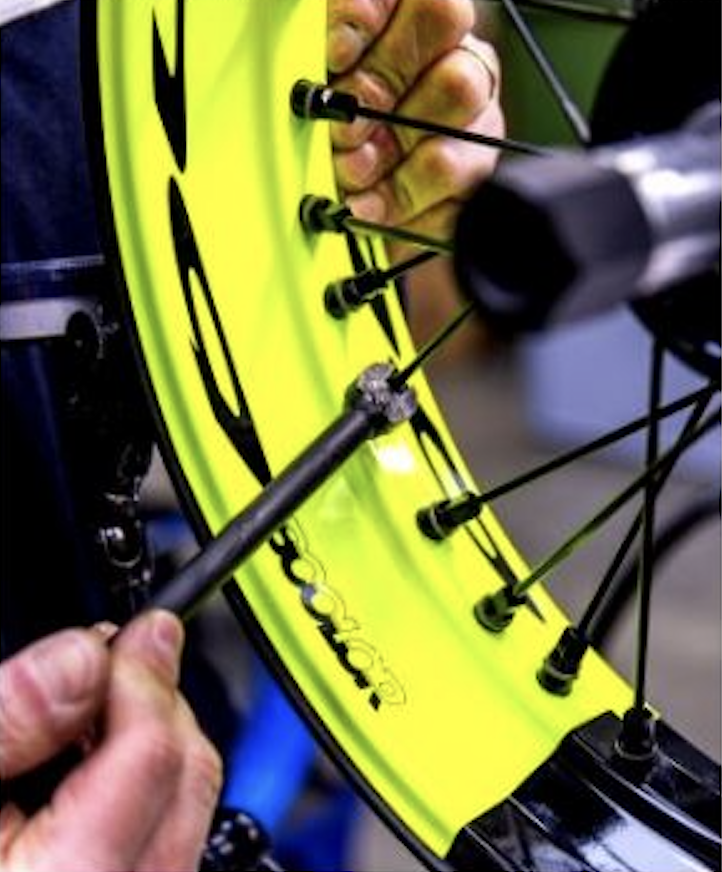
Wheel position, roundness and spoke tension are progressively established through manual adjustment.
Air retention is inspected under pressure at approximately 2.0, 2.5 and 3.0 bar to identify potential leakage.
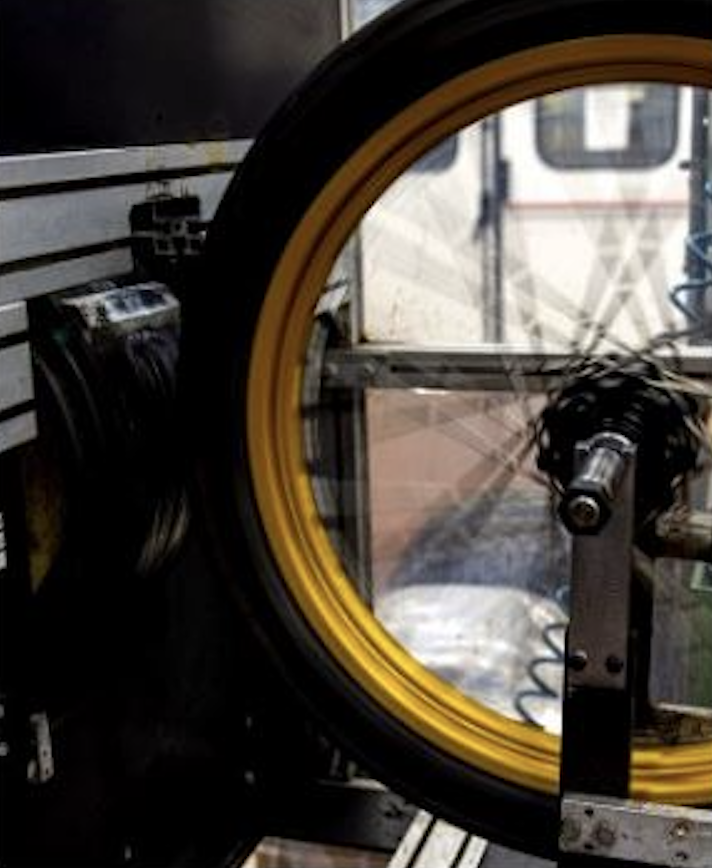
The completed wheel is subjected to a controlled repeated rolling-load cycle designed to simulate accumulated riding stress.
Pressure, centering, balancing, spoke and nipple tightening are checked again after testing. Each wheel then receives a complete visual inspection of its overall condition, sealing interfaces and finished surfaces before release.
Finished surfaces are protected before transport to reduce the risk of handling and shipping damage.
Final inspection is completed before the finished wheel is released for dispatch.
Tested as a Complete Wheel System.
Each finished wheel is validated individually as a complete assembly. Air retention, alignment, spoke tension and structural behaviour are checked together rather than relying only on individual component inspection.
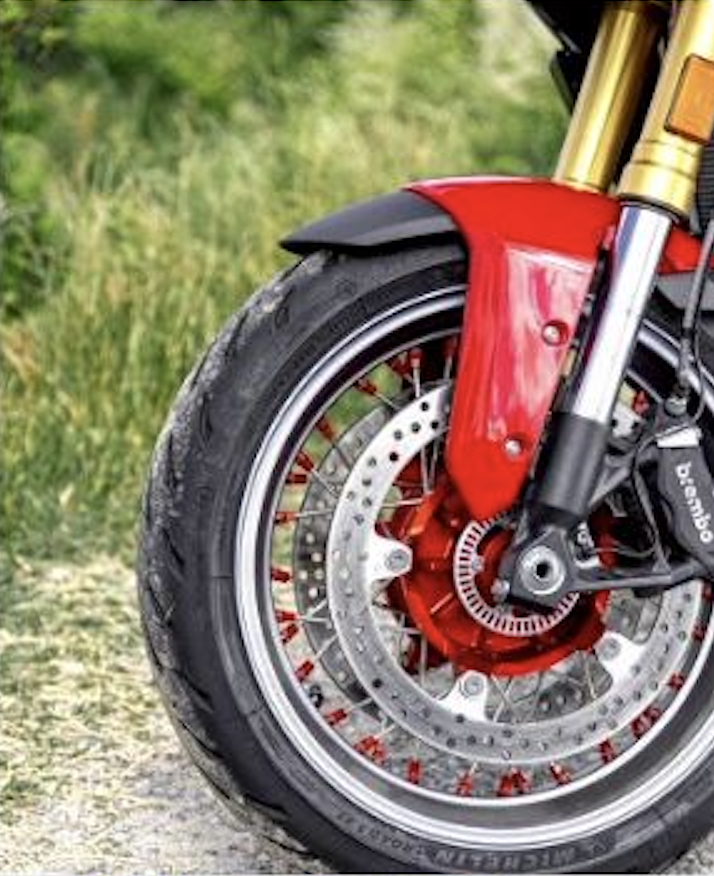
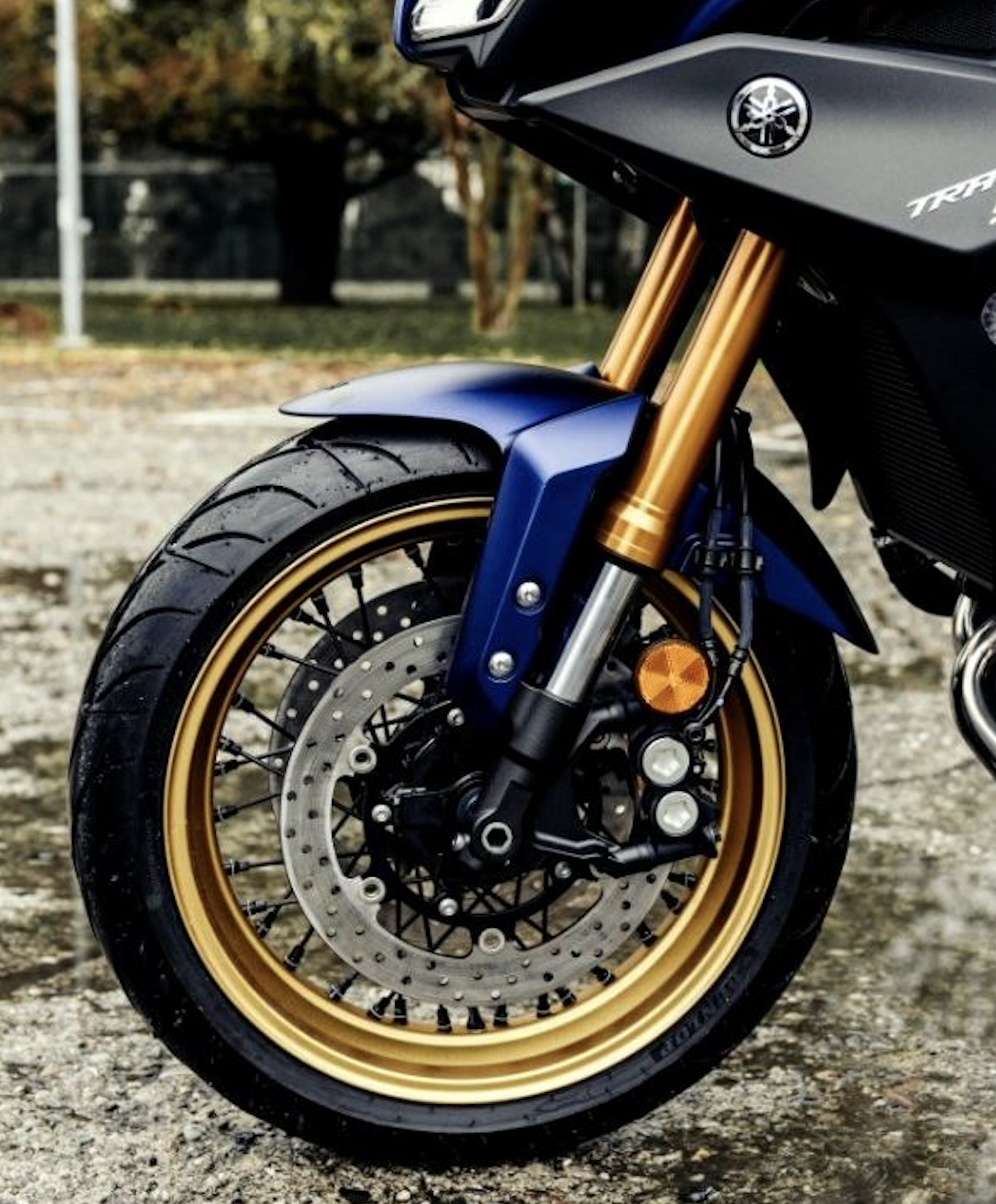
Engineered Around the Motorcycle.
Each wheel is configured around the motorcycle's axle, hub, brake, ABS, drivetrain, spacing and tyre requirements—not just nominal rim diameter.
This supports integration with the motorcycle's original brake, ABS, drivetrain and wheel-position interfaces without unnecessary modification, where the application specification allows. Compatible tubeless tyres must be used for the intended wheel and motorcycle specification.
Find the Right Pisces Wheels for Your Motorcycle.
Explore Pisces wheel configurations or contact us to confirm the right setup for your motorcycle.